Strengthening Early Healing: An Interview on Child–Parent Psychotherapy (CPP) Training
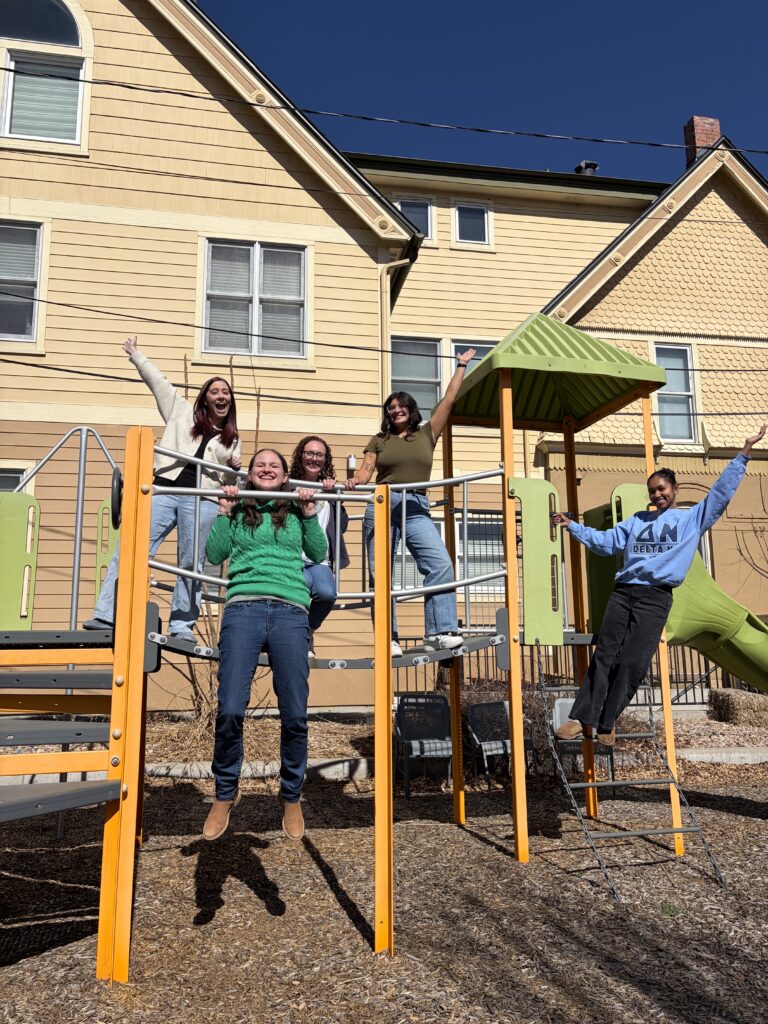
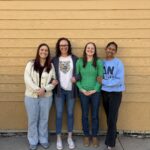
At Denver Children’s Advocacy Center, we know that healing begins with connection. That’s why we’re excited to share that four of our clinicians – Amy Bell, Samantha Mastaler, Julia Urbina, and Emily Murphy – have begun the 18-month Child–Parent Psychotherapy (CPP) training and consultation process.
We spoke with Ashley Khan, Bilingual Child and Family Therapist, about what CPP is, why it matters, and what it means for the children and families we serve.
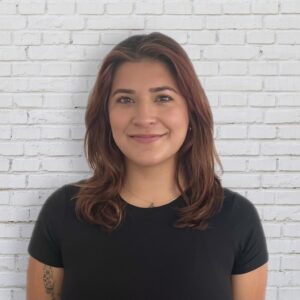
Ashley: Child–Parent Psychotherapy (CPP) is an evidence-based, attachment-focused trauma treatment for children ages 0–5 and their caregivers. It supports families who have experienced trauma – including domestic violence, abuse, grief, separation, or other significant stressors.
CPP focuses on strengthening the caregiver–child relationship as the primary vehicle for healing. At its core, it recognizes that young children heal best in the context of a safe, supported relationship with their caregiver.
Who is completing the CPP training?
Ashley: Amy, Samantha, Julia, and Emily have started the 18-month CPP training and consultation process. It’s an intensive experience that includes learning sessions, ongoing case consultation, and fidelity monitoring to ensure the model is delivered effectively.
They also receive reflective supervision from me twice a month, along with additional check-ins and case consultations as needed. This reflective component is essential – it helps clinicians process their work thoughtfully and remain grounded while supporting families navigating trauma.
Why is this training valuable for our clinicians and the families we serve?
Ashley: CPP equips clinicians with specialized tools to work with very young children and their caregivers in developmentally appropriate ways. Early childhood is such a critical window for brain development and emotional growth.
This model allows us to intervene early, strengthen attachment, and address trauma before patterns become more entrenched. For families, it means receiving care that honors both the child’s emotional experience and the caregiver’s central role in healing.
How does CPP support children and caregivers in healing from trauma?
Ashley: CPP helps caregivers understand how trauma impacts their child’s behavior, emotions, and development. When a young child is struggling, caregivers often see the behaviors – but they may not fully understand what’s underneath them.
Through guided sessions, families build a shared understanding of the trauma narrative. We help improve emotional regulation, strengthen safety, and deepen connection within the caregiver–child relationship.
Most importantly, the caregiver is empowered as the child’s most important source of stability and healing.
What does having more CPP-trained clinicians mean for DCAC’s programs?
Ashley: It expands our ability to serve younger children and families impacted by trauma using an evidence-based model. It strengthens our continuum of care and ensures we can provide specialized services across developmental stages.
It also deepens our clinical capacity to work closely with caregivers – not just the child – because healing doesn’t happen in isolation. It happens in relationship.
What are you most excited to bring into your work as a result of this training?
Ashley: I’m especially excited to continue growing both as a clinician and as a reflective supervisor within the CPP model. I look forward to expanding my capacity to hold reflective space, mentor thoughtfully, and continue developing alongside the team as we refine our implementation of CPP.
I am deeply passionate about CPP and truly enjoy implementing the model with children and their caregivers. It’s meaningful work – and it’s powerful to see the resilience that emerges when caregivers and children heal together.
Investing in Early Healing
By investing in advanced training like CPP, DCAC is strengthening its commitment to early intervention and family-centered care. When we support caregivers and children together, we lay the foundation for long-term healing, safety, and resilience.
Because at DCAC, healing doesn’t just happen in a room, it happens in relationship with families and communities.