Supporting Fathers, Strengthening Families: DCAC’s Partnership with Denver’s Afghan Community
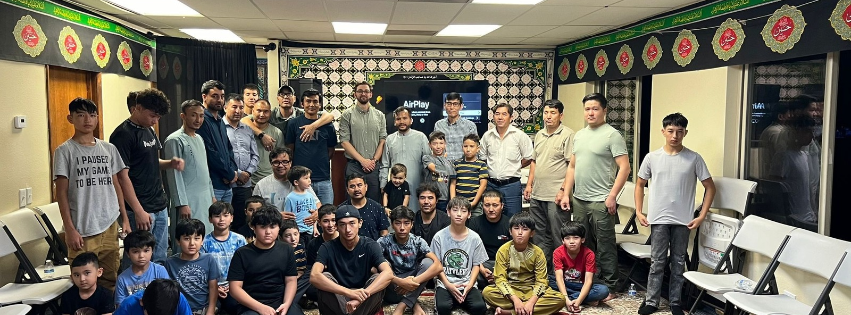
For the past two years, Denver Children’s Advocacy Center (DCAC) has partnered with a local Afghan fatherhood group to create opportunities for fathers to connect, share experiences, and explore ways to support their children’s well-being.
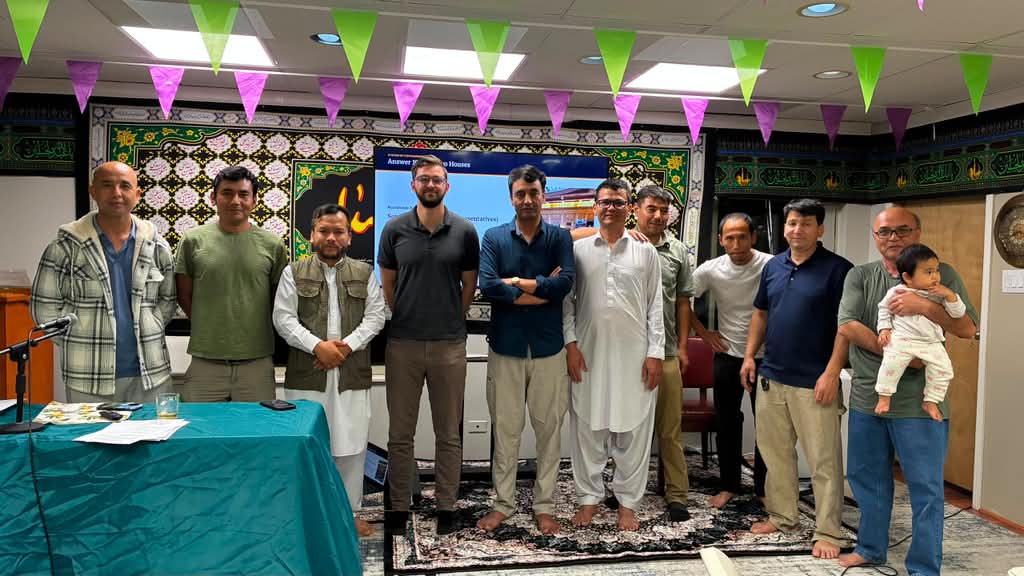
Through this ongoing collaboration, DCAC’s Nicholas Stone, Community Engagement Liaison, brings his mental health expertise to conversations shaped by the fathers themselves, creating a welcoming space for learning, connection, and mutual support.
A Partnership Built on Listening and Learning
The collaboration began about two years ago when members of the Afghan Fatherhood Group expressed interest in having a mental health professional join their meetings to share information and facilitate discussions. Since then, Nick has met with the group approximately once a month, with attendance ranging from 15 to 80 fathers.
Rather than following a predetermined curriculum, the meetings focus on topics the fathers identify as important to their lives and families. Discussions have included supporting children’s emotional well-being, managing stress, navigating unfamiliar systems and programs in the United States, and finding resources to help their families thrive.
The approach is collaborative, recognizing that fathers bring their own experiences, knowledge, and perspectives to the conversation. Nick’s role is to share information, answer questions, and help facilitate discussions that respond to the community’s interests and needs.
Navigating Parenthood in a New Country
Parenting comes with challenges for every family. For recently resettled Afghan families, those challenges can be compounded by adjusting to a new culture, navigating unfamiliar systems, overcoming language barriers, and managing the stresses of resettlement.
The Afghan Fatherhood Group offers an opportunity to explore these challenges together, exchange ideas, and build relationships with other fathers who may be navigating similar experiences.
For Nick, one of the most important goals is helping fathers feel confident and supported in their roles as parents.
“I hope fathers leave with a stronger sense of confidence in their role as parents, practical tools for navigating the challenges of raising children in the United States, and a better understanding of how to support their children’s emotional and mental well-being,” Nick explains.
He also hopes the group provides something equally valuable: a sense of connection.
“Most importantly, I want them to feel that they have a safe, welcoming space to ask questions, share experiences, learn from one another, and recognize the important role they play in their children’s lives.”
Supporting Children Starts with Supporting Families
At DCAC, we know that children’s emotional health and well-being are closely connected to the well-being of their families.
While much of DCAC’s work focuses on helping children who have experienced abuse or trauma, prevention and early support are also essential parts of our mission. The Afghan Fatherhood Group is one example of how DCAC works alongside community members to strengthen family relationships, increase awareness of mental health, and connect parents with information and resources.
By creating opportunities for fathers to discuss parenting challenges, learn about children’s emotional needs, and build supportive relationships, the partnership helps promote the kinds of family and community connections that allow children to thrive.
It also reflects an important part of DCAC’s approach to community engagement: listening to what families say they need and working together to identify ways to meet those needs.
Building Stronger Connections, Together
After two years, the Afghan Fatherhood Group continues to provide opportunities for learning, conversation, and connection.
For DCAC, the partnership is a reminder that supporting children takes many forms. Sometimes it means providing specialized trauma treatment or helping a family navigate a difficult experience. Other times, it means joining a group of fathers for an open conversation about parenting, stress, or raising children in a new country.
In each case, the goal is the same: helping children and families feel supported, connected, and equipped to thrive.
Because when we invest in parents, strengthen relationships, and listen to our communities, we’re also investing in the well-being of children.