Healing Today, Changing Tomorrow: DCAC Treatment Team Recognized for Its Impact
When a child experiences abuse, neglect, or violence, the effects can reach far beyond the immediate crisis. Childhood trauma can shape mental and physical health, relationships, and well-being for years to come.
But with the right support, trauma does not have to define a child’s future.
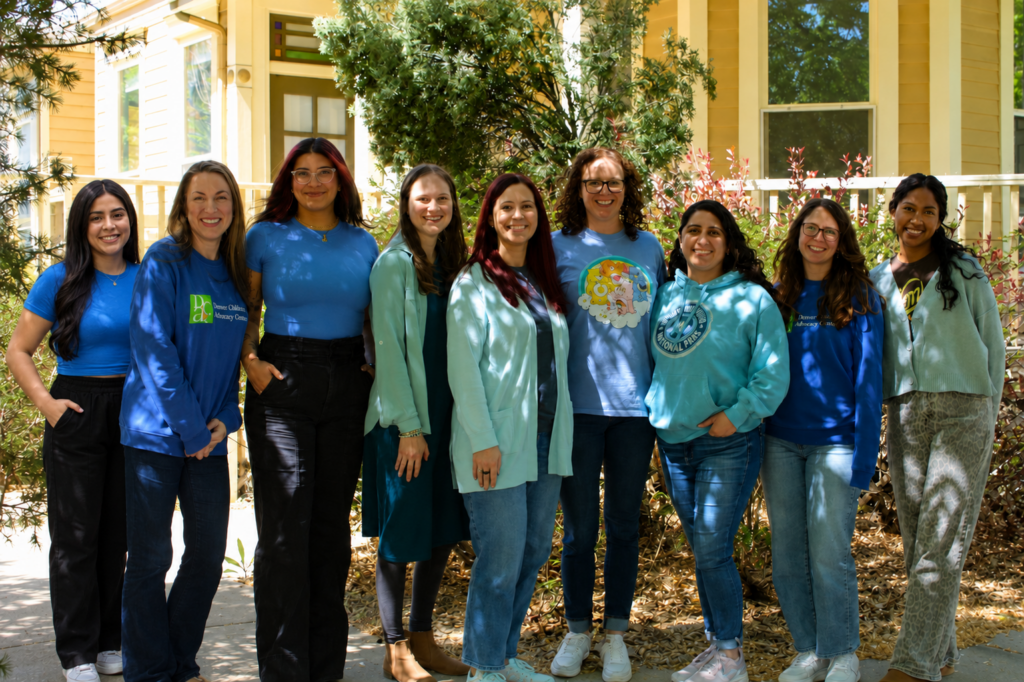
That belief is at the heart of the work of Denver Children’s Advocacy Center’s Treatment and Assessment Team – and it is why DCAC CEO Will Braunstein nominated the team for Mental Health Colorado’s 43rd Annual Tribute Awards.
The team was nominated for the Children & Families Impact Award, recognizing work that advances the health and well-being of Colorado’s children and families.
While DCAC did not bring home the award this year, the nomination is a meaningful recognition of a team working every day to help children heal, strengthen families, and interrupt the long-term effects of childhood trauma.
Intervening When It Matters Most
For children who have experienced trauma, getting appropriate mental health support early can make an enormous difference.
DCAC’s licensed therapists provide specialized, trauma-informed treatment to children and families impacted by abuse, neglect, and violence. Each child receives an individualized treatment plan based on their developmental stage, experiences, family circumstances, cultural background, and needs.
Treatment may include individual or group therapy, support groups, play, art, conversation, and evidence-based interventions that help children process what they have experienced while rebuilding safety, confidence, and connection.
In 2025, 624 children and caregivers received trauma-focused therapy at DCAC across 4,796 therapy sessions.
But the impact of those sessions cannot be captured by numbers alone.
As we shared in our May blog, The Journey of Healing: Inside DCAC’s Treatment Team, progress can look different for every child. Sometimes it is a child beginning to talk about an experience they once avoided. Sometimes it is learning to recognize and manage overwhelming emotions. Sometimes it is a caregiver gaining a better understanding of how trauma is affecting their child.
And sometimes it is a child beginning to understand that what happened to them is part of their story – but it does not have to be their whole story.
Care Built Around the Child and Family
One of the strengths highlighted in DCAC’s award nomination is that families do not have to navigate the healing process alone.
Following abuse, families can suddenly find themselves interacting with law enforcement, child protection, medical providers, prosecutors, victim advocates, therapists, and other professionals – often while they are still trying to understand what has happened.
DCAC’s multidisciplinary model brings those systems together around the child.
Therapists work alongside intake specialists, case managers, victim advocates, child protection professionals, medical providers, law enforcement, and prosecutors to coordinate care. Integrated intake and case management also help guide families through the process, reducing barriers and helping children remain connected to treatment.
Instead of asking families to piece together support from multiple disconnected systems, DCAC strives to create a continuum of care – from the initial crisis through long-term healing.
Making Healing More Accessible
Access is also central to the Treatment Team’s work.
Families seeking mental health care may face financial barriers, transportation challenges, language differences, or the difficulty of navigating multiple systems at once. DCAC provides trauma-focused treatment regardless of a family’s ability to pay and works intentionally to make services culturally and linguistically responsive.
In 2025, one-quarter of all DCAC treatment sessions were delivered in Spanish, helping children and caregivers receive mental health support in the language in which they are most comfortable communicating.
DCAC also focuses outreach and services on Denver communities where families may experience greater barriers to accessing care.
This commitment is about more than making therapy available. It is about helping families access care, remain engaged in it, and receive support that reflects their culture, language, circumstances, and lived experiences.
A Team Worth Celebrating
Behind all of this work is a team of people who bring tremendous skill to an extraordinarily difficult job – while continuing to learn from and support one another.
Cathy Hay, DCAC’s Director of Treatment and Assessment, says that is what makes her most proud:
“I’m most proud of the way the Treatment and Assessment Team shows up for children, families, and each other. They bring compassion, creativity, and dedication to their work every day, and I’m proud of the growth we’ve had as a team and the impact we continue to make. I’m especially proud of how they continue to learn from each other, support one another, and find ways to make a difference for the families we serve.”
The Mental Health Colorado nomination shines a well-deserved light on work that often happens quietly – in therapy rooms, conversations with caregivers, coordinated meetings among professionals, and countless small moments when a child begins to feel safe again.
Those moments matter.
Because when children have the opportunity to heal from trauma early, the impact can extend far beyond today. It can strengthen families, interrupt cycles of trauma, and give children the opportunity to move forward with hope.
DCAC is incredibly proud of our Treatment and Assessment Team – and grateful for the compassion, expertise, and dedication they bring to children and families every day.
Learn more about the team and what healing can look like in The Journey of Healing: Inside DCAC’s Treatment Team