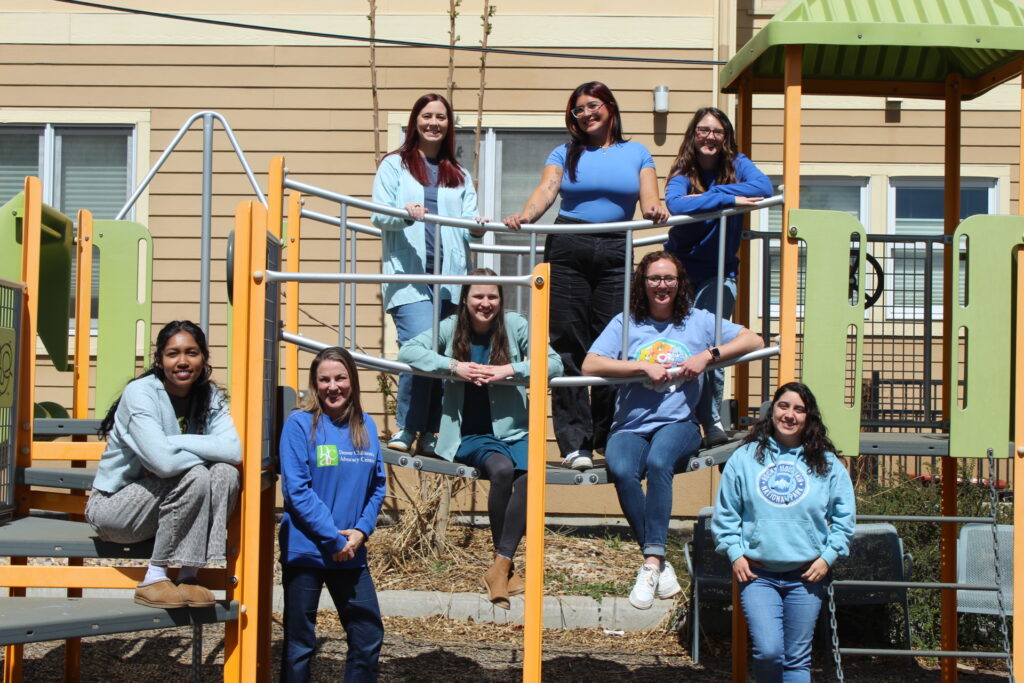
The Journey of Healing: Inside DCAC’s Treatment Team
In honor of Mental Health Awareness Month
When a child walks through the doors of Denver Children’s Advocacy Center (DCAC), they are often facing one of the most difficult moments in their life. What happens next is something many people never see, but it’s where healing begins.
At DCAC, our Treatment Team meets children and families in that moment and walks alongside them as they begin to rebuild a sense of safety, trust, and hope.
What Happens After the First Visit
After a child’s initial visit, often a forensic interview, the pace often slows down in a helpful way. The focus shifts from gathering information to building safety, trust, and connection.
“My role is to meet the child where they are and help them feel comfortable enough to engage at their own pace.” Ashley Khan, Bilingual Child and Family Therapist, explains.
“Early on, we focus on helping kids understand feelings, build coping skills, and feel safe in their bodies and relationships. As trust grows, we gently support them in making sense of their experiences in a way that feels manageable and empowering. Throughout the process, I also work closely with caregivers so they feel equipped to support their child’s healing. Over time, the goal is for the child to feel more confident, regulated, and in control of their story. shifts.”
Therapy doesn’t look one way. For some children, it’s conversation. For others, it’s play, art, storytelling, or simply sitting with someone who understands. Early sessions often focus on helping children name their feelings, develop coping skills, and begin to feel safe in their own bodies and relationships again.
Over time, as trust grows, children begin to process their experiences in ways that feel manageable and empowering.
Healing Isn’t “Moving On”
One of the most common misconceptions about trauma is that healing means forgetting.
But healing looks different.
“Healing isn’t about ‘moving on,’” a team member explained. “It’s about helping a child feel safe again – in their body, in relationships, and in the world.”
Emma Skok, Bilingual Child and Family Therapist, describes it this way: “Just like a physical wound that has healed, there is often still a scar. You don’t typically forget about what happened and it does change you. But just like a scar, the level of pain can go down and the trauma becomes part of your story, not the whole thing.”
This work takes time, consistency, and patience. And while every journey is different, one thing remains constant: children are incredibly resilient – especially when they have even one supportive adult in their corner.
Supporting the Whole Family
At DCAC, healing doesn’t happen in isolation. Caregivers are a vital part of the process.
Therapists work not only with children, but also with parents and caregivers – offering education, support, and guidance to help them understand trauma and respond in ways that foster healing.
“Caregivers are a huge part of the healing process,” one clinician noted. “Helping them understand what their child is experiencing can make a big difference in outcomes.”
Sometimes trauma creates distance or tension within families. Through therapy, those relationships can begin to repair – through empathy, communication, and a shared understanding of what healing looks like.
Understanding Trauma in Children
Trauma doesn’t always look the way people expect.
Sometimes it shows up as anger, defiance, or risky behavior. Sometimes it looks like withdrawal or silence. These behaviors can be confusing but they are often a child’s way of coping with overwhelming experiences.
“I wish more people understood that acting out can be a symptom of trauma,” Emma shared. “For some kids, it’s a way to distract from what they’re feeling. For others, it’s misplaced anger or not knowing how to express complex emotions.”
When we shift our perspective from “What’s wrong with this child?” to “What has this child experienced?”, we open the door to compassion and meaningful support.
Moments That Stay With Us
The impact of this work is often seen in quiet, powerful transformations.
One therapist shared the story of a child who, at the beginning of therapy, avoided anything related to their trauma, keeping things light, silly, and surface-level.
“We started there,” they said. “Playing, building, letting them lead – helping them feel safe enough to stay in the room emotionally.”
Over time, that began to change. The child slowly started sharing pieces of their story – first through play, then more directly. By the end of treatment, they were able to talk about their experience without shutting down.
“It no longer felt like something that controlled them.”
Another clinician recalled a client who initially refused to talk about what had happened at all. By the end of their journey, that same child stood in court and read a letter claiming their voice and identity.
“They wanted everyone to know they were more than what happened to them.”
What Gives Us Hope
This work is not easy. But it is filled with moments of joy, growth, and resilience.
Therapists witness children learning to express themselves, reconnect with caregivers, build confidence, and rediscover a sense of safety and possibility.
“What gives me hope is seeing that change happen over time,” one therapist shared. “Kids who once felt overwhelmed becoming more confident, more at ease, and able to tell their story.”
At DCAC, healing happens every day in big breakthroughs and in small, steady steps forward.
And behind every step is a team of dedicated professionals walking alongside children and families – helping them move from surviving to healing, and from healing to thriving.